
Bugsy
14.07.2022 07:42
PRE-IPO
Bugsy
14.07.2022 07:54
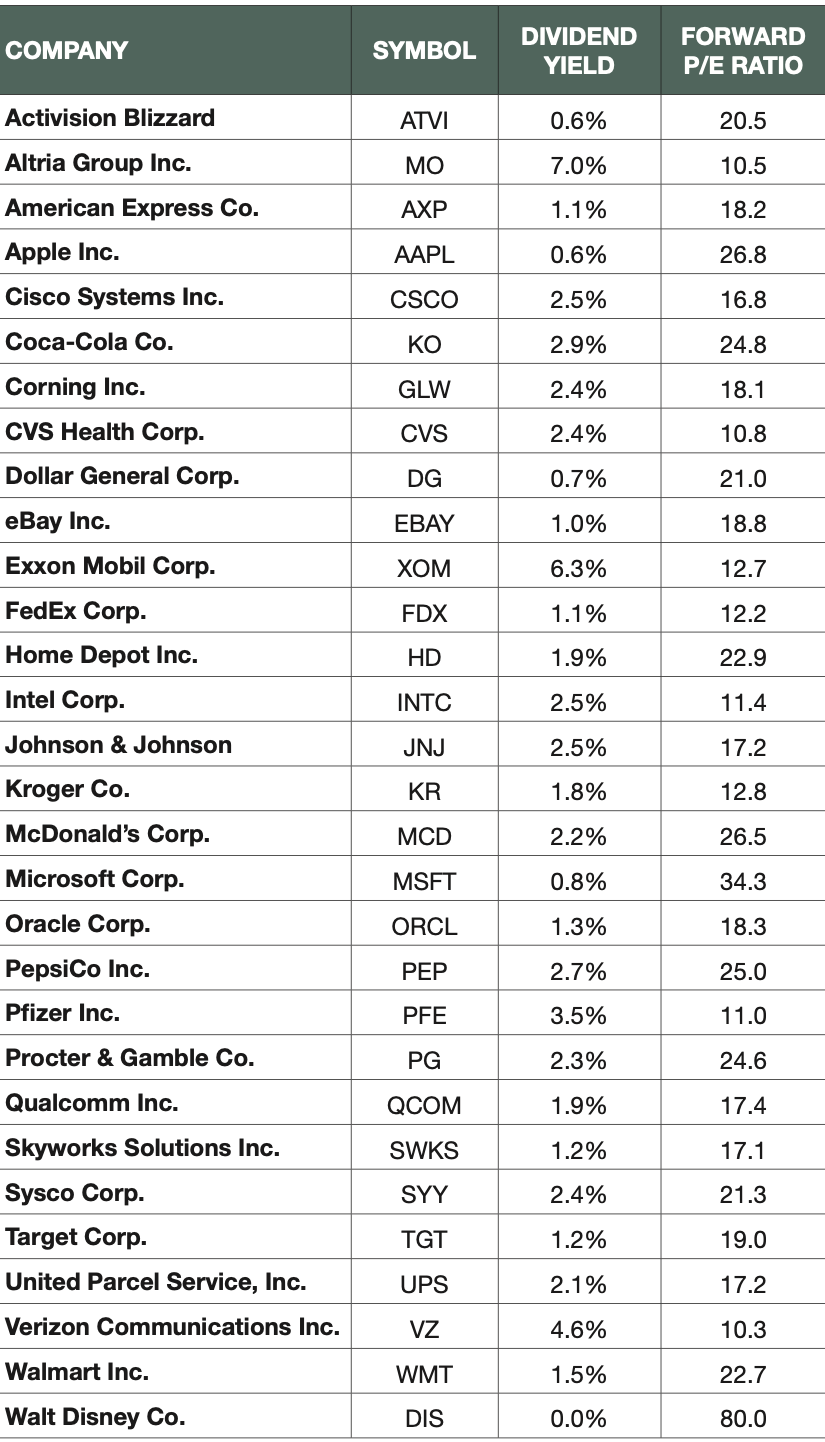
TOP 30 akcii s dividendou
👍 2
Bugsy
14.07.2022 08:00
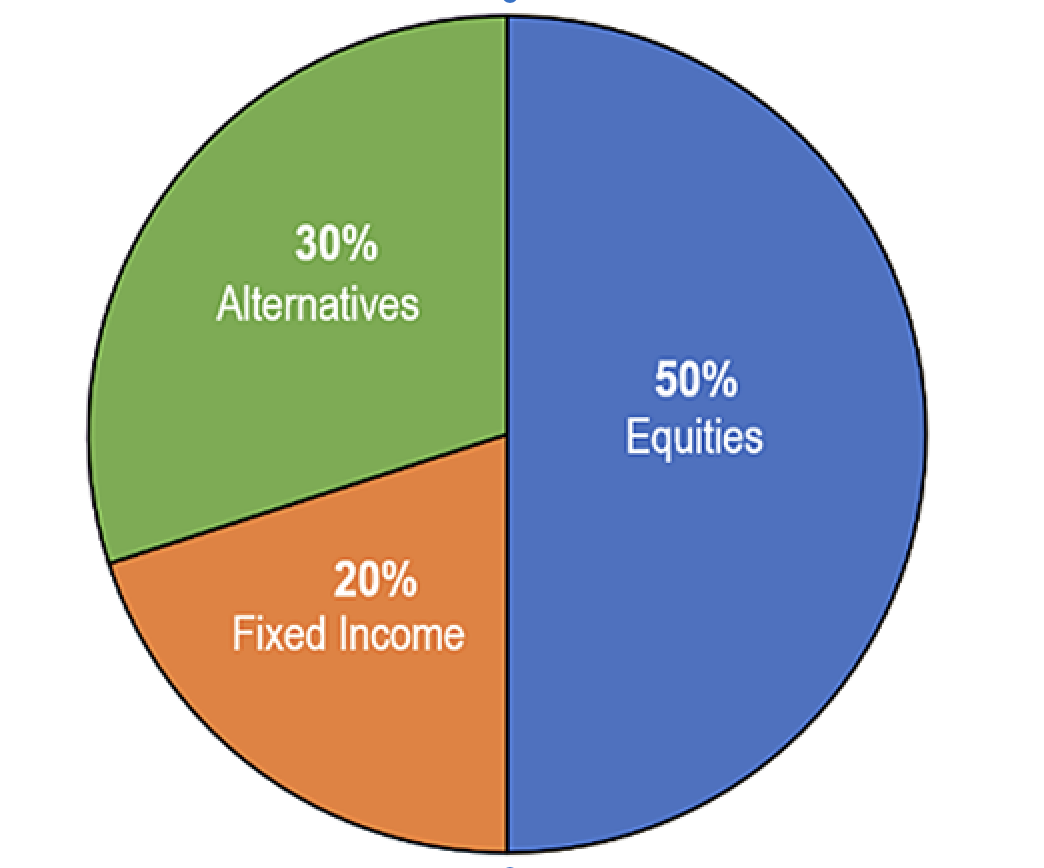
asset allocation model
Bugsy
14.07.2022 08:38
Bugsy
14.07.2022 09:12
Amerika byla založena na třech pilířích kapitalismu volného trhu: právu na soukromé vlastnictví, právním státu a poctivých penězích. Americká ústava povolovala státům vydávat zlatou nebo stříbrnou měnu, zakazovala daň z příjmu a národní centrální bankovnictví. Bohužel po úspěšném zavedení americké centrální banky (po dvou neúspěšných pokusech) se práva na soukromé vlastnictví, která jsou základem kapitalismu volného trhu, stala zranitelnými vůči neomezenému porušování prostřednictvím inflace. Příkladem tohoto selhání byla "Velká loupež zlata z roku 1933" (alias Executive Order 6102): protiústavní nařízení a hrubé porušení práv soukromého vlastnictví. Všechna vládní nařízení fiat jsou lží (včetně fiat měny), neboť pravdu není třeba nikdy vynucovat. Síly svobodného trhu vždy vycházejí z pravdy.
👌 1
🙏 2
Bugsy
14.07.2022 15:23
Bugsy
14.07.2022 18:02

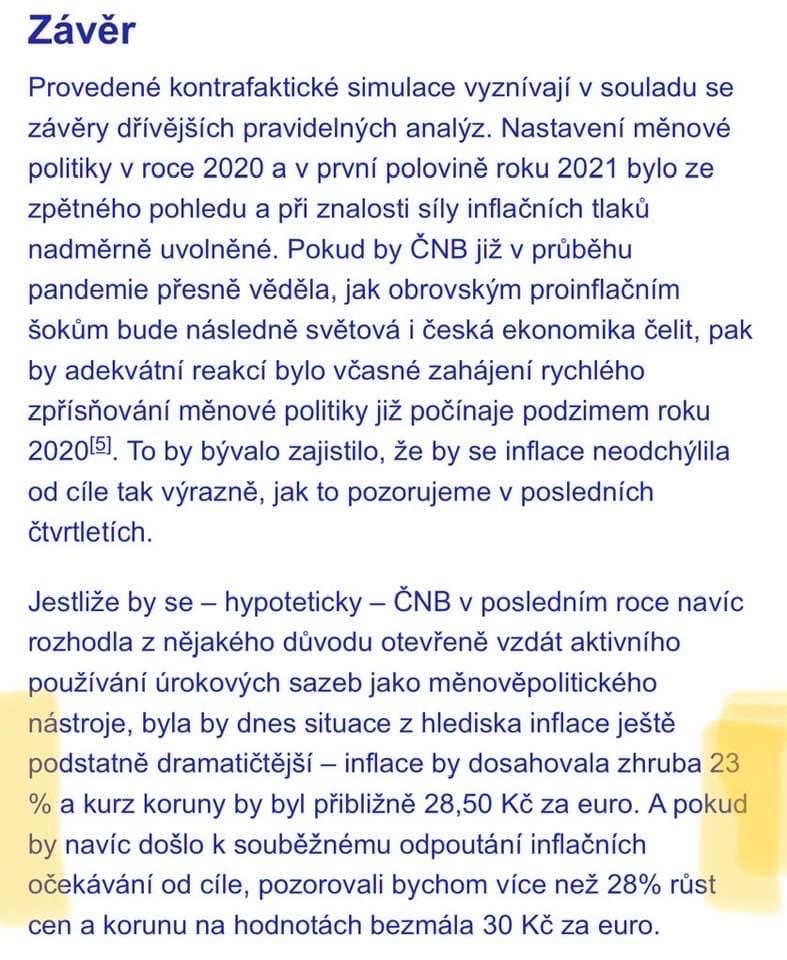
Tak UK , Estonsko, Itálie kdo bude další ?
Bugsy
15.07.2022 08:27
Bugsy
15.07.2022 10:44
poznámka k CNBC : bitcoin’s Story is Crypto’s Story
One of the other things I want to point out to you is that during the “Crypto Winter” of 2018-2020, many institutional players had announced bitcoin initiatives, and then they walked those initiatives back.
One of the most famous was Goldman Sachs. They said they were going to start a trading desk, and then they canceled when bitcoin crashed. This time around, I’m not seeing that. In fact, there was an article just recently in The Wall Street Journal where MasterCard and Visa specifically said, “we are not walking back our crypto plans. We plan to embed crypto into our offerings. We believe this is the future of payments.”
And they’re right. It only took them seven years to figure it out, but they’re right.
(upraveno)
One of the other things I want to point out to you is that during the “Crypto Winter” of 2018-2020, many institutional players had announced bitcoin initiatives, and then they walked those initiatives back.
One of the most famous was Goldman Sachs. They said they were going to start a trading desk, and then they canceled when bitcoin crashed. This time around, I’m not seeing that. In fact, there was an article just recently in The Wall Street Journal where MasterCard and Visa specifically said, “we are not walking back our crypto plans. We plan to embed crypto into our offerings. We believe this is the future of payments.”
And they’re right. It only took them seven years to figure it out, but they’re right.
So if you find yourself sitting and thinking, “Oh my good Lord, what did I do? This future will never come about,” look at this price action. I would tell you it’s a mistake to make long term conclusions as to the validity of this asset based on its volatility.
Because from the very birth of this asset, it has been wildly volatile and full of uncertainty… But it’s that uncertainty that creates the ability to make life changing wealth.
And again, the reason why I talk about bitcoin so much is because, if you can get the adoption story right, you’ll get everything else right.
So as bitcoin gets adopted, and people come into bitcoin, they start there. And then they go into Ethereum and then they filter through to the altcoins. And this is why I focus so much on bitcoin’s adoption story.
Because from the very birth of this asset, it has been wildly volatile and full of uncertainty… But it’s that uncertainty that creates the ability to make life changing wealth.
And again, the reason why I talk about bitcoin so much is because, if you can get the adoption story right, you’ll get everything else right.
So as bitcoin gets adopted, and people come into bitcoin, they start there. And then they go into Ethereum and then they filter through to the altcoins. And this is why I focus so much on bitcoin’s adoption story.
Long story short, we’re going to see more volatility ahead. I wouldn’t be surprised to see more companies get caught up in this contagion, have more issues, and see more selloffs.
But that’s just something we have to deal with. I know it’s unpleasant, but we have to get that out of the way. Just like we had to deal with it back in 2018-2020 and there was nothing that we could do about it then, either.
The best advice I gave back then was to wait and then buy on weakness, which we did. Back in March of 2020, when bitcoin collapsed 50% overnight, I came out and I said, “This is an epic buying opportunity. This is why when you need to go in and buy it hand over fist.”
I don’t think we’ve reached that point yet with BTC and ETH. I have buy orders in BTC that ratchet down from $18,000 to $10,000.
But that’s just something we have to deal with. I know it’s unpleasant, but we have to get that out of the way. Just like we had to deal with it back in 2018-2020 and there was nothing that we could do about it then, either.
The best advice I gave back then was to wait and then buy on weakness, which we did. Back in March of 2020, when bitcoin collapsed 50% overnight, I came out and I said, “This is an epic buying opportunity. This is why when you need to go in and buy it hand over fist.”
I don’t think we’ve reached that point yet with BTC and ETH. I have buy orders in BTC that ratchet down from $18,000 to $10,000.
I don’t know if we’ll get to $10,000. I think $13,000 is probably the line in the sand, but who knows. If there’s a problem with USDC that would create massive panic in the market, we could then take advantage of it by buying this asset at a radically discounted price.
So no matter what the headlines are, I want you to know that bitcoin and the crypto ecosystem will survive. Back in 2016, there was far more risk in the entire asset class than there is now. This is an accepted asset class now.
Family offices and financial institutions have accepted this asset class. They’ve opened the doors to this asset class, and we’re still at the very beginning of this adoption cycle.
Is it pleasant for me to sit here with millions in paper losses? No. Of course it’s unpleasant.
I’m not a machine, I’m human just like you. It’s easy for me to sit there and berate myself and say, “Oh, why weren’t you more patient? Why didn’t you see this? How did you not have this second sight into what was going on with this crazy leverage that was going on?” But the truth is that nobody knew. There was no way for me to know.
So no matter what the headlines are, I want you to know that bitcoin and the crypto ecosystem will survive. Back in 2016, there was far more risk in the entire asset class than there is now. This is an accepted asset class now.
Family offices and financial institutions have accepted this asset class. They’ve opened the doors to this asset class, and we’re still at the very beginning of this adoption cycle.
Is it pleasant for me to sit here with millions in paper losses? No. Of course it’s unpleasant.
I’m not a machine, I’m human just like you. It’s easy for me to sit there and berate myself and say, “Oh, why weren’t you more patient? Why didn’t you see this? How did you not have this second sight into what was going on with this crazy leverage that was going on?” But the truth is that nobody knew. There was no way for me to know.
So, I may hold myself to a very high standard, but there’s no way that I could’ve known that there was this out of control leverage that was taking place that may even prove to be fraudulent. 3AC Capital had $10 billion in March, and now according to its bankruptcy filing, it only has $3 billion… And it’s not even sure it has that.
Plus, 3AC’s insiders seem to be in the wind. They’re being completely unresponsive with their lawyers, And fraud is very, very difficult to protect yourself against.
But again, the quality of the asset is so good that even if my timing was awful, time would be my friend… The adoption cycle of bitcoin would be my friend… And they would ultimately bail me out of horrible timing.
Plus, 3AC’s insiders seem to be in the wind. They’re being completely unresponsive with their lawyers, And fraud is very, very difficult to protect yourself against.
But again, the quality of the asset is so good that even if my timing was awful, time would be my friend… The adoption cycle of bitcoin would be my friend… And they would ultimately bail me out of horrible timing.
👍 2
Bugsy
15.07.2022 16:28
Bugsy
15.07.2022 20:59
As we told you in our initial writeup, Apple has failed to successfully develop its own 5G modem chip for its iPhones. This makes it a near certainty that Apple will continue purchasing chips from Qualcomm well into 2023.
Additionally, several high-profile banks and research firms – including JPMorgan and Edward Jones – have named Qualcomm a top pick and given it a “buy” rating.
Additionally, several high-profile banks and research firms – including JPMorgan and Edward Jones – have named Qualcomm a top pick and given it a “buy” rating.
Bugsy
15.07.2022 21:06
<:scrt:952365142488793088>
Believe it or not, there are still legal cases from the infamous Lehman Brothers bankruptcy in 2008.
The date was September 15, 2008…
And those watching will never forget the image: Hundreds of employees leaving the bank’s offices one by one with boxes in their hands.
Many simply watched in disbelief.
At its collapse, 150-year-old Lehman was the fourth-largest investment bank in the United States, with 25,000 employees worldwide.
So it had survived the railroad bankruptcies of the 1800s…
It survived the Great Depression and two World Wars…
And it survived the Long-Term Capital Management collapse, the 1998 Russian debt default, and the Internet bubble.
But this time, instead of surviving, Lehman went bankrupt and became the symbol of the Great Financial Crisis.
So, how did it all go wrong? And what can it teach us about the crypto markets today?
Let me explain…
The date was September 15, 2008…
And those watching will never forget the image: Hundreds of employees leaving the bank’s offices one by one with boxes in their hands.
Many simply watched in disbelief.
At its collapse, 150-year-old Lehman was the fourth-largest investment bank in the United States, with 25,000 employees worldwide.
So it had survived the railroad bankruptcies of the 1800s…
It survived the Great Depression and two World Wars…
And it survived the Long-Term Capital Management collapse, the 1998 Russian debt default, and the Internet bubble.
But this time, instead of surviving, Lehman went bankrupt and became the symbol of the Great Financial Crisis.
So, how did it all go wrong? And what can it teach us about the crypto markets today?
Let me explain…
bludistak:984908372295942194 2
Lessons from the Great Financial Crisis
Lehman took its first steps toward collapse when it branched into mortgage-backed securities (MBSes) and collateral debt obligations (CDOs) in the early 2000s.
This put Lehman into more complicated products and corporate structures. It also significantly increased its risk profile.
Then, in 2003 and 2004, it acquired five mortgage lenders and two loan servicers… companies specializing in borrowers without full documentation.
So, it not only increased its risk profile, it concentrated investment in those risky assets as well.
Then in 2006, Lehman took this a step further and adopted a real-estate-focused business strategy…
Many questioned this decision because they felt the housing market was at or near its peak… Nevertheless, it cemented Lehman’s risk-taking culture.
By 2007 Lehman was a leading underwriter and market-maker in residential
and commercial MBSes. And it was active in all areas related to secured lending, structured finance, and securitized products.
That same year, home delinquencies rose, and the credit crisis erupted… all while Lehman underwrote more mortgage-backed securities than any other firm that year – an $85 billion portfolio.
Making it worse was Lehman’s high leverage ratio of 31… A ratio that had increased 30% since 2004.
Lehman took its first steps toward collapse when it branched into mortgage-backed securities (MBSes) and collateral debt obligations (CDOs) in the early 2000s.
This put Lehman into more complicated products and corporate structures. It also significantly increased its risk profile.
Then, in 2003 and 2004, it acquired five mortgage lenders and two loan servicers… companies specializing in borrowers without full documentation.
So, it not only increased its risk profile, it concentrated investment in those risky assets as well.
Then in 2006, Lehman took this a step further and adopted a real-estate-focused business strategy…
Many questioned this decision because they felt the housing market was at or near its peak… Nevertheless, it cemented Lehman’s risk-taking culture.
By 2007 Lehman was a leading underwriter and market-maker in residential
and commercial MBSes. And it was active in all areas related to secured lending, structured finance, and securitized products.
That same year, home delinquencies rose, and the credit crisis erupted… all while Lehman underwrote more mortgage-backed securities than any other firm that year – an $85 billion portfolio.
Making it worse was Lehman’s high leverage ratio of 31… A ratio that had increased 30% since 2004.
So by the end of its 2007 fiscal year, Lehman Brothers held $111 billion in commercial or residential real-estate-related assets and securities.
That was more than double the $52 billion it held at the end of 2006… And it was more than four times its equity.
Lehman had adopted a high-leverage, high-risk business model. And once housing prices started to fall, it all collapsed.
On June 7, 2008, Lehman announced a second-quarter loss of $2.8 billion, its first loss in over 20 years.
Other institutions stopped accepting Lehman’s assets as collateral. Its credit costs went up. And many firms simply withdrew from Lehman.
This collapsed Lehman’s stock and debt… and despite a last-ditch effort by Barclays and Bank of America to facilitate a takeover… they were ultimately unsuccessful.
Of course, this was just the beginning of the Great Financial Crisis… The S&P 500, already 20% off its peak, fell another 45% before bottoming out.
Lehman Brothers teaches us many lessons. Poor risk management and imprudent use of leverage were its key failures.
But it’s also important to understand that while this was a failure of Lehman Brothers and others, it was not a failure of the housing market.
The same insight is important to understand in the crypto markets today.
That was more than double the $52 billion it held at the end of 2006… And it was more than four times its equity.
Lehman had adopted a high-leverage, high-risk business model. And once housing prices started to fall, it all collapsed.
On June 7, 2008, Lehman announced a second-quarter loss of $2.8 billion, its first loss in over 20 years.
Other institutions stopped accepting Lehman’s assets as collateral. Its credit costs went up. And many firms simply withdrew from Lehman.
This collapsed Lehman’s stock and debt… and despite a last-ditch effort by Barclays and Bank of America to facilitate a takeover… they were ultimately unsuccessful.
Of course, this was just the beginning of the Great Financial Crisis… The S&P 500, already 20% off its peak, fell another 45% before bottoming out.
Lehman Brothers teaches us many lessons. Poor risk management and imprudent use of leverage were its key failures.
But it’s also important to understand that while this was a failure of Lehman Brothers and others, it was not a failure of the housing market.
The same insight is important to understand in the crypto markets today.
Bugsy
15.07.2022 21:17
The Lehman Brothers of the Crypto Crisis
As you probably know, the crypto markets have been falling since last November…
But things went from bad to worse in May when UST, the stablecoin of the Terra ecosystem, collapsed.
The contagion quickly spread to the entire crypto sector… And crypto hedge fund Three Arrows Capital (3AC) emerged as this crisis’s “Lehman Brothers.”
3AC was one of the most innovative funds in the crypto world… And it had over $10 billion in crypto assets under management at its height.
But in June, it filed for Chapter 15 Bankruptcy… and as I write, the media is reporting that its founders have “gone missing.”
Just like Lehman Brothers, a series of risky leveraged positions and poor risk management led to 3AC’s undoing…
One was an investment in the aforementioned Terra (LUNA) blockchain and its algorithmic stablecoin UST.
3AC made an initial investment of $200 million… But the UST collapse led to a loss of $500 million.
It also owns a significant amount of the Grayscale Bitcoin Trust (GBTC), a digital currency investment product for bitcoin… GBTC is unique in that it’s a vehicle allowing individual investors to own, buy, and sell BTC in their everyday brokerage accounts.
Unlike an ETF, though, it doesn’t always trade at its net asset value or “NAV.” That means it can trade at a premium or a discount. With GBTC’s discount hovering around 30% today… it’s worth much less than 3AC’s initial GBTC investment amount.
So it’s a double whammy for 3AC. Not only has the price of bitcoin fallen, but 3AC uses GBTC as collateral for its loans… so its collateral is now worth much less than the debt it was put against.
As you probably know, the crypto markets have been falling since last November…
But things went from bad to worse in May when UST, the stablecoin of the Terra ecosystem, collapsed.
The contagion quickly spread to the entire crypto sector… And crypto hedge fund Three Arrows Capital (3AC) emerged as this crisis’s “Lehman Brothers.”
3AC was one of the most innovative funds in the crypto world… And it had over $10 billion in crypto assets under management at its height.
But in June, it filed for Chapter 15 Bankruptcy… and as I write, the media is reporting that its founders have “gone missing.”
Just like Lehman Brothers, a series of risky leveraged positions and poor risk management led to 3AC’s undoing…
One was an investment in the aforementioned Terra (LUNA) blockchain and its algorithmic stablecoin UST.
3AC made an initial investment of $200 million… But the UST collapse led to a loss of $500 million.
It also owns a significant amount of the Grayscale Bitcoin Trust (GBTC), a digital currency investment product for bitcoin… GBTC is unique in that it’s a vehicle allowing individual investors to own, buy, and sell BTC in their everyday brokerage accounts.
Unlike an ETF, though, it doesn’t always trade at its net asset value or “NAV.” That means it can trade at a premium or a discount. With GBTC’s discount hovering around 30% today… it’s worth much less than 3AC’s initial GBTC investment amount.
So it’s a double whammy for 3AC. Not only has the price of bitcoin fallen, but 3AC uses GBTC as collateral for its loans… so its collateral is now worth much less than the debt it was put against.
3AC also owned a significant amount of stETH, the liquid staking derivative for ETH. But due to market volatility, stETH trades at a 6–7% discount to ETH… and 3AC had to sell at those prices.
Further, 3AC invested in several altcoins that suffered drawdowns during the Crypto Winter… And they took on even more debt to deal with the Terra collapse.
Like Lehman, 3AC employed a high-leverage, high-risk business model… And it imploded when the market went south.
Also, like Lehman, the contagion fueling its collapse has spread…
Crypto loan company Celsius suspended all activity on its platform and hired restructuring consultants in preparation for a potential bankruptcy filing…
Crypto trading platform Voyager Digital suspended trades and withdrawals and filed for bankruptcy…
Crypto lender BlockFi inked a deal with FTX for a $250 million credit facility…
And crypto exchange platform Blockchain.com announced it might lose the $270 million it lent 3AC.
And it’s likely not over.
So, as crypto investors, where do we go from here?
Further, 3AC invested in several altcoins that suffered drawdowns during the Crypto Winter… And they took on even more debt to deal with the Terra collapse.
Like Lehman, 3AC employed a high-leverage, high-risk business model… And it imploded when the market went south.
Also, like Lehman, the contagion fueling its collapse has spread…
Crypto loan company Celsius suspended all activity on its platform and hired restructuring consultants in preparation for a potential bankruptcy filing…
Crypto trading platform Voyager Digital suspended trades and withdrawals and filed for bankruptcy…
Crypto lender BlockFi inked a deal with FTX for a $250 million credit facility…
And crypto exchange platform Blockchain.com announced it might lose the $270 million it lent 3AC.
And it’s likely not over.
So, as crypto investors, where do we go from here?
Key Takeaways from the Crypto Crisis
First, it’s important to understand that crypto and blockchains are just fine… The sell-off has nothing to do with the validity of blockchain protocols.
Like 2008, this is a liquidity-driven crisis. And as you can see from the names mentioned, the problem lies in centralized crypto services, not crypto itself.
Second, even though this collapse is painful, it’s a long-term positive for the industry…
The contagion gets rid of the bad actors, educates the market on what business models work, and eliminates the weakest projects.
We likely haven’t seen the last of these blowups… so I expect there will be more pain and more liquidations.
Today, the best thing to do is simply ride out the volatility. The contagion, while painful, is setting us up for a healthier, stronger crypto market.
Regards,
First, it’s important to understand that crypto and blockchains are just fine… The sell-off has nothing to do with the validity of blockchain protocols.
Like 2008, this is a liquidity-driven crisis. And as you can see from the names mentioned, the problem lies in centralized crypto services, not crypto itself.
Second, even though this collapse is painful, it’s a long-term positive for the industry…
The contagion gets rid of the bad actors, educates the market on what business models work, and eliminates the weakest projects.
We likely haven’t seen the last of these blowups… so I expect there will be more pain and more liquidations.
Today, the best thing to do is simply ride out the volatility. The contagion, while painful, is setting us up for a healthier, stronger crypto market.
Regards,
Greg Wilson
👍 3
Bugsy
15.07.2022 21:30
<:yoda:984746193773027348> AXS >>>>>>>>>What It’s Worth
Over the past 12 months, Axie Infinity has
generated over $1.3 billion in revenue.
And while the price of the token used to govern
the project (AXS) shot up in 2021, it still trades
at a deep discount to its legacy competitors, as
measured by its price-to-earnings (P/E) ratio.
[The P/E ratio represents what an investor is
willing to pay for $1 of current earnings. For
example, at a P/E ratio of 20, an investor is saying
they are willing to pay $20 for $1 of current
earnings. It’s calculated by taking a company’s
share price and dividing it by earnings per share.]
Today, Axie Infinity trades at a P/E ratio of 4.4.
That represents a steep discount to the type of
valuation being assigned to traditional video
gaming companies, which have an average P/E
ratio of 22.46.
This tells us the market doesn’t see Axie Infinity
sustaining its current revenue in the future.
However, we believe that number will actually
increase substantially – both from the rising
popularity of the Axie game itself and also
from the future potential of a larger metaverse
platform that goes well beyond the Axie game.
In addition to the current sources of income
from Axie’s marketplace and the breeding of
Axie pets, we believe Axie could also start taxing
landowners, taking a share of profits generated
from mini-games, and much more.
Add it all up and it’s easy to see how Axie Infinity
could more than double the income it’s been
generating already.
(upraveno)
Over the past 12 months, Axie Infinity has
generated over $1.3 billion in revenue.
And while the price of the token used to govern
the project (AXS) shot up in 2021, it still trades
at a deep discount to its legacy competitors, as
measured by its price-to-earnings (P/E) ratio.
[The P/E ratio represents what an investor is
willing to pay for $1 of current earnings. For
example, at a P/E ratio of 20, an investor is saying
they are willing to pay $20 for $1 of current
earnings. It’s calculated by taking a company’s
share price and dividing it by earnings per share.]
Today, Axie Infinity trades at a P/E ratio of 4.4.
That represents a steep discount to the type of
valuation being assigned to traditional video
gaming companies, which have an average P/E
ratio of 22.46.
This tells us the market doesn’t see Axie Infinity
sustaining its current revenue in the future.
However, we believe that number will actually
increase substantially – both from the rising
popularity of the Axie game itself and also
from the future potential of a larger metaverse
platform that goes well beyond the Axie game.
In addition to the current sources of income
from Axie’s marketplace and the breeding of
Axie pets, we believe Axie could also start taxing
landowners, taking a share of profits generated
from mini-games, and much more.
Add it all up and it’s easy to see how Axie Infinity
could more than double the income it’s been
generating already.
Plus, because virtual platforms like Axie Infinity
have significantly smaller expenses than ordinary
companies, much of their sales flows through to
their bottom line. Which means it could reach a
similar valuation to its peers.
If you take the average P/E ratio of the overall
video game industry, which is 22.46, and apply it
to Axie’s current earnings, the token would need
to rise 413% from its current level.
That alone represents a substantial gain –
turning every $500 into $2,565 and every
$1,000 into $5,130.
But since Axie Infinity is on the cutting edge of
technology and creating the future of gaming
as we know it using NFTs, the platform’s token
should command a multiple at least five times
greater than a traditional video game company.
For instance, cutting-edge tech companies like
Tesla and Amazon trade at P/Es of at least five
times their peers.
In that case, each AXS would be worth $540.70
per token… a 2,465% increase from today’s price
based on circulating supply.
A gain like that would turn a $500 investment
into over $12,825. Or every $1,000 investment
into over $25,650.
So risking just a small amount of money in
the AXS token today could easily lead to a
substantial payday as the future of blockchain
gaming, NFTs, and tokenization brings more
and more people into the metaverse
have significantly smaller expenses than ordinary
companies, much of their sales flows through to
their bottom line. Which means it could reach a
similar valuation to its peers.
If you take the average P/E ratio of the overall
video game industry, which is 22.46, and apply it
to Axie’s current earnings, the token would need
to rise 413% from its current level.
That alone represents a substantial gain –
turning every $500 into $2,565 and every
$1,000 into $5,130.
But since Axie Infinity is on the cutting edge of
technology and creating the future of gaming
as we know it using NFTs, the platform’s token
should command a multiple at least five times
greater than a traditional video game company.
For instance, cutting-edge tech companies like
Tesla and Amazon trade at P/Es of at least five
times their peers.
In that case, each AXS would be worth $540.70
per token… a 2,465% increase from today’s price
based on circulating supply.
A gain like that would turn a $500 investment
into over $12,825. Or every $1,000 investment
into over $25,650.
So risking just a small amount of money in
the AXS token today could easily lead to a
substantial payday as the future of blockchain
gaming, NFTs, and tokenization brings more
and more people into the metaverse
<:yoda:984746193773027348> ENJ >>>>>>>>>>>>>>>>What It’s Worth
The ENJ token is used to mint and purchase
NFTs on its decentralized marketplace.
Today, over 2.3 million Enjin wallets have been
downloaded and over 1.1 billion digital assets
(NFTs) have been minted.
We believe this is just the start as more games
begin to integrate Enjin.
All it takes is one game to attract millions of users
who collect and use dozens of in-game items for
this to be a very lucrative opportunity.
Look no further than successful games like
Minecraft and World of Warcraft.
These games have tens of millions of users, and
each gamer holds dozens of in-game items. This
translates to billions of in-game items for each of
these games.
And while the Enjin token will see big demand
from minting in-game items, we believe the bulk
of Enjin’s income will be generated through its
marketplace.
Let’s assume Enjin adds a 1% trading fee on all
Enjin NFT assets, which is paid to ENJ token
holders.
Let’s also assume the games that use Enjin’s
platform will be able to generate 25 times more
trading volume than World of Warcraft does
today. (Remember, that figure is $550 million).
That would imply Enjin games collectively
generate $13.75 billion in NFT trading volume
each year. Or $137.5 million per year in profits for
ENJ token holders.
To get a sense of what this means for the value
(upraveno)
The ENJ token is used to mint and purchase
NFTs on its decentralized marketplace.
Today, over 2.3 million Enjin wallets have been
downloaded and over 1.1 billion digital assets
(NFTs) have been minted.
We believe this is just the start as more games
begin to integrate Enjin.
All it takes is one game to attract millions of users
who collect and use dozens of in-game items for
this to be a very lucrative opportunity.
Look no further than successful games like
Minecraft and World of Warcraft.
These games have tens of millions of users, and
each gamer holds dozens of in-game items. This
translates to billions of in-game items for each of
these games.
And while the Enjin token will see big demand
from minting in-game items, we believe the bulk
of Enjin’s income will be generated through its
marketplace.
Let’s assume Enjin adds a 1% trading fee on all
Enjin NFT assets, which is paid to ENJ token
holders.
Let’s also assume the games that use Enjin’s
platform will be able to generate 25 times more
trading volume than World of Warcraft does
today. (Remember, that figure is $550 million).
That would imply Enjin games collectively
generate $13.75 billion in NFT trading volume
each year. Or $137.5 million per year in profits for
ENJ token holders.
To get a sense of what this means for the value
of Enjin, we can compare it to Electronic Arts
(EA), one of the biggest video game makers in the
world. It owns some of the most popular titles,
like Madden NFL, FIFA, and Battlefield.
EA trades at a P/E multiple of 55 at time of
writing. If Enjin were to trade at a similar
valuation as EA, it’d be valued at $7.6 billion, or
$7.60 per ENJ token.
But we think ENJ can go much higher
considering this market’s growth potential.
Adroit Market Research forecasts a 22.3% annual
growth rate on in-game purchases into 2025.
But we think Adroit, like many others, are
underestimating the demand we’re about to see.
And it’s simply due to the massive demand for
NFTs and digital asset ownership driven by the
metaverse.
We project this space to grow at twice the rate of
Adroit’s projection.
And if we apply our 44.6% annual growth to the
$137.5 million in potential earnings over the next
four years, we could see Enjin generate nearly
$550 million in annual profits for ENJ holders.
And if we attach the same 55 P/E multiple to that
growth, Enjin would be valued at $30.25 billion
or $32.25 per ENJ token.
That’s a 3,780% increase from today’s price.
Enough to turn a $500 investment into $19,400.
And every $1,000 investment into $38,800.
By taking a stake in Enjin, we’re positioning
ourselves to profit from the tokenization of
digital assets.
(EA), one of the biggest video game makers in the
world. It owns some of the most popular titles,
like Madden NFL, FIFA, and Battlefield.
EA trades at a P/E multiple of 55 at time of
writing. If Enjin were to trade at a similar
valuation as EA, it’d be valued at $7.6 billion, or
$7.60 per ENJ token.
But we think ENJ can go much higher
considering this market’s growth potential.
Adroit Market Research forecasts a 22.3% annual
growth rate on in-game purchases into 2025.
But we think Adroit, like many others, are
underestimating the demand we’re about to see.
And it’s simply due to the massive demand for
NFTs and digital asset ownership driven by the
metaverse.
We project this space to grow at twice the rate of
Adroit’s projection.
And if we apply our 44.6% annual growth to the
$137.5 million in potential earnings over the next
four years, we could see Enjin generate nearly
$550 million in annual profits for ENJ holders.
And if we attach the same 55 P/E multiple to that
growth, Enjin would be valued at $30.25 billion
or $32.25 per ENJ token.
That’s a 3,780% increase from today’s price.
Enough to turn a $500 investment into $19,400.
And every $1,000 investment into $38,800.
By taking a stake in Enjin, we’re positioning
ourselves to profit from the tokenization of
digital assets.
<:yoda:984746193773027348> OX >>>>>>>>>>>>>>>>>>>>What It’s Worth
0x generated over $95.6 billion in trading volume
for 2021. That’s a 1,066% increase from the
roughly $8.2 billion in volume it generated in all
of 2020.
If 0x can sustain this 1,066% yearly growth rate,
it would generate about $1.1 trillion in trading
volume in 2022. That sounds like a lot, but we
believe it’s doable because of 0x’s ties to NFTsTo estimate 0x’s value, we’ll use its historical fee
average, which is about 0.01% of trading volume.
By comparison, Coinbase charges a 0.5% fee – or
50x more than 0x.
Based on its current fees, 0x would see about
$110 million in earnings ($1.1 trillion x 0.01%).
And while this may seem small… We believe it’s
only the start, as the tokenization trend is still in
its early stages and hasn’t yet reached the masses.
Let’s assume 0x’s current growth rate decreases
by half over the next three years. That’s about
533% year-over-year growth in trading volume.
At that rate, it’d see about $24.2 trillion in
trading volume by the end of 2025.
Using a 0.01% trading fee, 0x would be earning
roughly $2.4 billion per year.
To get a sense of what that means for the ZRX
price, we can compare 0x to the largest publicly
traded crypto exchange, Coinbase.
Today, Coinbase trades at five times its earnings.
If we apply that same multiple to 0x, its market
cap would grow to $12 billion ($2.4 billion x 5).
But as an early-stage project with cutting-edge
technology and huge growth potential… We
believe 0x could fetch a multiple at least three
times greater than Coinbase.
(upraveno)
0x generated over $95.6 billion in trading volume
for 2021. That’s a 1,066% increase from the
roughly $8.2 billion in volume it generated in all
of 2020.
If 0x can sustain this 1,066% yearly growth rate,
it would generate about $1.1 trillion in trading
volume in 2022. That sounds like a lot, but we
believe it’s doable because of 0x’s ties to NFTsTo estimate 0x’s value, we’ll use its historical fee
average, which is about 0.01% of trading volume.
By comparison, Coinbase charges a 0.5% fee – or
50x more than 0x.
Based on its current fees, 0x would see about
$110 million in earnings ($1.1 trillion x 0.01%).
And while this may seem small… We believe it’s
only the start, as the tokenization trend is still in
its early stages and hasn’t yet reached the masses.
Let’s assume 0x’s current growth rate decreases
by half over the next three years. That’s about
533% year-over-year growth in trading volume.
At that rate, it’d see about $24.2 trillion in
trading volume by the end of 2025.
Using a 0.01% trading fee, 0x would be earning
roughly $2.4 billion per year.
To get a sense of what that means for the ZRX
price, we can compare 0x to the largest publicly
traded crypto exchange, Coinbase.
Today, Coinbase trades at five times its earnings.
If we apply that same multiple to 0x, its market
cap would grow to $12 billion ($2.4 billion x 5).
But as an early-stage project with cutting-edge
technology and huge growth potential… We
believe 0x could fetch a multiple at least three
times greater than Coinbase.
That would make 0x worth $36 billion – or $36
per token based on the token’s max supply.
That’s a 6,700% increase from today’s price.
Enough to turn a $500 investment into $34,000
and every $1,000 investment into $68,000.
But we believe it can go even higher as tokenization
DeFi continues to gain mass adoption.
Let’s assume 0x sustains its current 1,066%
yearly growth rate over the next three years. That
would imply 0x facilitating over $151 trillion in
trading volume by the end of 2025.
per token based on the token’s max supply.
That’s a 6,700% increase from today’s price.
Enough to turn a $500 investment into $34,000
and every $1,000 investment into $68,000.
But we believe it can go even higher as tokenization
DeFi continues to gain mass adoption.
Let’s assume 0x sustains its current 1,066%
yearly growth rate over the next three years. That
would imply 0x facilitating over $151 trillion in
trading volume by the end of 2025.
And if we use the same 0.01% trading fee, 0x
would rake in $15.1 billion in annual profits for its
ZRX token holders.
If we use the same 5x multiple as Coinbase, that
would give 0x a $75.5 billion valuation. Or $75.50
per ZRX token based on the max supply.
That’s a 14,150% increase from today’s price.
Enough to turn a $500 investment into $71,250.
And every $1,000 investment into $142,500.
That makes ZRX a perfect asymmetric play – the
type of investment that could turn a tiny amount
of money into a substantial windfall.
would rake in $15.1 billion in annual profits for its
ZRX token holders.
If we use the same 5x multiple as Coinbase, that
would give 0x a $75.5 billion valuation. Or $75.50
per ZRX token based on the max supply.
That’s a 14,150% increase from today’s price.
Enough to turn a $500 investment into $71,250.
And every $1,000 investment into $142,500.
That makes ZRX a perfect asymmetric play – the
type of investment that could turn a tiny amount
of money into a substantial windfall.
👍 1
Bugsy
16.07.2022 21:27

Bugsy
17.07.2022 20:21
Right now, I believe we’re in a cyclical bear market. And the hard truth is that this sell-off isn’t over.
I’m telling you this because I’m confident you can handle the truth. I respect you too much to insult your intelligence with anything less.
At the same time, my brutal honesty might make you uncomfortable. I understand this…
Seeing your portfolio drown in a sea of red is never comfortable… Even if it’s only temporary.
I’m telling you this because I’m confident you can handle the truth. I respect you too much to insult your intelligence with anything less.
At the same time, my brutal honesty might make you uncomfortable. I understand this…
Seeing your portfolio drown in a sea of red is never comfortable… Even if it’s only temporary.
Bugsy
18.07.2022 10:33
Spatna zprava z Nemecka
Zasobniky v Nemecku klesly v lete za tyden bez gas inflows z 60,1 % na 56,2 %. Kdyz to Putin v patek nepusti, tak budou na nule jeste pred topnou sezonou. 🤦♂️
Zasobniky v Nemecku klesly v lete za tyden bez gas inflows z 60,1 % na 56,2 %. Kdyz to Putin v patek nepusti, tak budou na nule jeste pred topnou sezonou. 🤦♂️
😂 4
🙏 1
Bugsy
18.07.2022 21:00
The United States Embassy in Kiev, Ukraine, has increased its Alert status and is now publicly advising all Americans to get out of Ukraine IMMEDIATELY. All Embassy functions will be transferred to Lviv, in western Ukraine.
👍 1
This morning, Russian energy giant Gazprom declared force majeure on gas supplies to at least one major EU customer RETROACTOVE TO JUNE.
According to a document from inside the company, Gazprom tells a large client it cannot fulfil its supply obligations due to “extraordinary” circumstances outside its control.
REUTERS News Agency now reports that its sources are saying that the letter was referring to supplies to Germany via the Nord Stream 1 pipeline. The letter makes clear that GAZPROM cannot supply any natural gas via Nord Stream One pipeline, until further notice.
The route is currently undergoing planned annual maintenance which is due to be completed on Thursday, however many in Germany fear that the flow will not be resumed. Given tday's declaration of a "force majeure" it now appears certain that natural gas flows WILL NOT RESUME.
Without the flow of Russian natural gas, Germany and other European nations had to begin drawing-down on stored natural gas reserves in their countries as of July 11. Those reserves are finite, and will run out. Various countries in Europe have various amounts of gas in storage, but none of them have more than a few months worth.
As natural gas runs out, there won't be gas to power the steam boilers in gas-fired electric generating plants. No boilers means no steam. IF there is no steam, that means nothing to turn the turbines. No turbines means no electricity.
UPDATE 2:05 PM EDT -- With regard to GAZPROM's declaring a "force Majeure" this is now explicitly CONFIRMED. The company has thus decided to void itself from all contractual obligations. Gas will stop flowing to Germany through Nord Stream 1 indefinitely.
According to a document from inside the company, Gazprom tells a large client it cannot fulfil its supply obligations due to “extraordinary” circumstances outside its control.
REUTERS News Agency now reports that its sources are saying that the letter was referring to supplies to Germany via the Nord Stream 1 pipeline. The letter makes clear that GAZPROM cannot supply any natural gas via Nord Stream One pipeline, until further notice.
The route is currently undergoing planned annual maintenance which is due to be completed on Thursday, however many in Germany fear that the flow will not be resumed. Given tday's declaration of a "force majeure" it now appears certain that natural gas flows WILL NOT RESUME.
Without the flow of Russian natural gas, Germany and other European nations had to begin drawing-down on stored natural gas reserves in their countries as of July 11. Those reserves are finite, and will run out. Various countries in Europe have various amounts of gas in storage, but none of them have more than a few months worth.
As natural gas runs out, there won't be gas to power the steam boilers in gas-fired electric generating plants. No boilers means no steam. IF there is no steam, that means nothing to turn the turbines. No turbines means no electricity.
UPDATE 2:05 PM EDT -- With regard to GAZPROM's declaring a "force Majeure" this is now explicitly CONFIRMED. The company has thus decided to void itself from all contractual obligations. Gas will stop flowing to Germany through Nord Stream 1 indefinitely.
So right now, July 18, 2022, many differing issues are all coming to a head at about the same time. If Ukraine attacks Crimea using U.S.-supplied HIMARS, then Russia may declare the US an active combatant and use military force against the US.
If Russia refuses to restore natural gas flows to Europe, then Europe will run out of natural gas, and its economy will utterly stop.
If Europe's economy stops, then two weeks later, the US economy stops.
These are things that cause nations to go to actual war.
If Russia refuses to restore natural gas flows to Europe, then Europe will run out of natural gas, and its economy will utterly stop.
If Europe's economy stops, then two weeks later, the US economy stops.
These are things that cause nations to go to actual war.
👍 1
Bugsy
18.07.2022 21:25
BREAKING – The Swiss Central Bank "temporarily" transferred all its gold to a federal bunker near Kandersteg, deep in the Swiss mountain
😮 3
🤔 1
Bugsy
19.07.2022 07:27
Bugsy
19.07.2022 07:36
Bugsy
19.07.2022 13:27
Legion Strategies, hedgeový fond přidružený k Anthony Scaramucci's Skybridge Capital, zastavil odkupy investorů, podle zprávy Bloombergu s odkazem na lidi obeznámené s rozhodnutím.
Tento krok údajně přichází po strmém poklesu akcií a kryptoměn zaznamenaných v posledních měsících, přičemž jeden zdroj řekl Bloombergu, že rozhodnutí pozastavit odkupy bylo učiněno, protože akcie soukromých společností – které se tradičně prodávají hůře – nyní tvoří asi 20 % akcií. portfolia fondu.
Tento krok údajně přichází po strmém poklesu akcií a kryptoměn zaznamenaných v posledních měsících, přičemž jeden zdroj řekl Bloombergu, že rozhodnutí pozastavit odkupy bylo učiněno, protože akcie soukromých společností – které se tradičně prodávají hůře – nyní tvoří asi 20 % akcií. portfolia fondu.
Bugsy
19.07.2022 14:01

Ondřej
19.07.2022 16:34
↩
@Bugsy
(attachment)
Myslíš, že je dobrý nápad, dávat vetší část výplaty do dollaru než to mí v czk nebo EUR?
Bugsy
19.07.2022 20:25
Like the subprime housing crisis in 2008… overleveraged crypto buyers are now selling off assets like bitcoin and Ethereum to cover their margin calls on all the “subprime” garbage tokens they speculated on.
Now, even the best investors can make bad investment decisions…
But when crypto lenders hand out hundreds of millions of dollars in unsecured loans so people can speculate on “subprime” junk tokens… it’s only a matter of time before those loans collapse.
To date, we’ve seen centralized crypto firms like Three Arrows Capital, Celsius, and Voyager Digital go belly up. And as I wrote earlier this month, they won’t be the last.
The good news is there’s no one coming to rescue these reckless investors…
There are no bailouts from the Fed or Congress. So eventually, the market will wipe out bad actors… And the entire space will become stronger and smarter.
That’s the nature of true capitalism. It rewards the strong and punishes the weak.
Now, even the best investors can make bad investment decisions…
But when crypto lenders hand out hundreds of millions of dollars in unsecured loans so people can speculate on “subprime” junk tokens… it’s only a matter of time before those loans collapse.
To date, we’ve seen centralized crypto firms like Three Arrows Capital, Celsius, and Voyager Digital go belly up. And as I wrote earlier this month, they won’t be the last.
The good news is there’s no one coming to rescue these reckless investors…
There are no bailouts from the Fed or Congress. So eventually, the market will wipe out bad actors… And the entire space will become stronger and smarter.
That’s the nature of true capitalism. It rewards the strong and punishes the weak.
👍 1
Bugsy
19.07.2022 20:27
↩
@Ondřej
Myslíš, že je dobrý nápad, dávat vetší část výplaty do dollaru než to mí v czk nebo EUR?
já mám 50% v usd, protože čekám na nákup amerických akcii, ale jínak držím Kč, Euro vůbec nedržím, je to banda Idiotu v EU.
👍 3
Bugsy
19.07.2022 20:57
Bugsy
21.07.2022 08:45
Itálie se ocitla v chaosu, když se Draghi chystá odstoupit z funkce premiéra
️Italský premiér Mario Draghi podal demisi.
Prezident republiky ji přijal.
Prezident republiky ji přijal.
Bugsy
21.07.2022 10:08
[Key interpretation] A Whale Dumps 132,882 BTC in 3 Days, What Is the Impact?
https://www.huobi.ug/en-us/pretender/news-detail-long?id=34975&inviteCode=
https://www.huobi.ug/en-us/pretender/news-detail-long?id=34975&inviteCode=
Bugsy
21.07.2022 11:07
Kanceláře společnosti Upbit a několika dalších kryptoměnových burz ve středu podle zprávy tiskové agentury Yonhap prohledal tým vyšetřovatelů, kteří vyšetřují případ podvodu v souvislosti s krachem sesterských tokenů Terraform Labs TerraUSD (UST) a LUNA.
Podle této zprávy začalo státní zastupitelství jižního okresu Soulu kolem 17:30 místního času zabavovat záznamy o transakcích a další materiály z burz Upbit, Bithumb, Coinone a čtyř dalších místních burz.
Podle této zprávy začalo státní zastupitelství jižního okresu Soulu kolem 17:30 místního času zabavovat záznamy o transakcích a další materiály z burz Upbit, Bithumb, Coinone a čtyř dalších místních burz.
👍 1
😱 1
Minecraft is one of the world’s most popular games, and publisher Microsoft’s sandbox-style affair has only grown since its initial 2009 launch. But developer Mojang isn’t keen on seeing its blocky hit used in conjunction with independent NFT projects, and has served public notice that Minecraft will soon ban use of the technology.
The Microsoft-owned studio today shared a news post regarding upcoming changes to its Minecraft usage guidelines, and they’re all about NFTs. Minecraft will soon ban blockchain tech on game servers, which are run independently by fans and creators, plus it will prohibit the use of Minecraft imagery to create NFT projects.
The Microsoft-owned studio today shared a news post regarding upcoming changes to its Minecraft usage guidelines, and they’re all about NFTs. Minecraft will soon ban blockchain tech on game servers, which are run independently by fans and creators, plus it will prohibit the use of Minecraft imagery to create NFT projects.
Bugsy
21.07.2022 11:20
Bugsy
21.07.2022 12:43
Po zjištění 500 pozitivních případů prostřednictvím systému očkovacích pasů QR bude tento týden testováno 20 milionů lidí.
Probíhají domovní prohlídky a obyvatelé jsou násilně odváženi do táborů. 21.07.2022
Probíhají domovní prohlídky a obyvatelé jsou násilně odváženi do táborů. 21.07.2022
😔 1

Swordfish
21.07.2022 13:07
↩
@Bugsy
Po zjištění 500 pozitivních případů prostřednictvím systému očkovacích pasů QR bude tento týden testováno 20 milionů lidí.
Probíhají domovní prohlídky a obyvatelé jsou násilně odváženi do táborů. 21.07.2022
Probíhají domovní prohlídky a obyvatelé jsou násilně odváženi do táborů. 21.07.2022
Pozitivni nalada 😄

AdamB
21.07.2022 13:15
↩
@Bugsy
Po zjištění 500 pozitivních případů prostřednictvím systému očkovacích pasů QR bude tento týden testováno 20 milionů lidí.
Probíhají domovní prohlídky a obyvatelé jsou násilně odváženi do táborů. 21.07.2022
Probíhají domovní prohlídky a obyvatelé jsou násilně odváženi do táborů. 21.07.2022
tvl to jsou kokoti
Bugsy
21.07.2022 20:34
By Teeka Tiwari and Houston Molnar
Teeka Tiwari
The last time I felt like this was 14 years ago…
It was a devastating time in the financial markets. One blow after another had people wondering if we’d ever see the end and come through to the other side.
The memory of it will probably be fresh for many of you, too: the Great Financial Crisis of 2007–2009.
In October 2007, the S&P 500 had an epic 101% run from the 2000 dot-com bust lows. It hit new highs at the time.
But people got too greedy. They started taking risks without considering the consequences, until…
There was too much leverage in the system… And much of it involved bad assets like subprime loans.
For those who might not have been in the markets back then, subprime loans are loans made to riskier borrowers. They have a lower likelihood of being paid back. But they come with higher interest rates to compensate for the higher risk.
The problem was Wall Street started to treat these inherent risky assets as safe AAA rated assets. That miscalculation would inevitably lead to disaster.
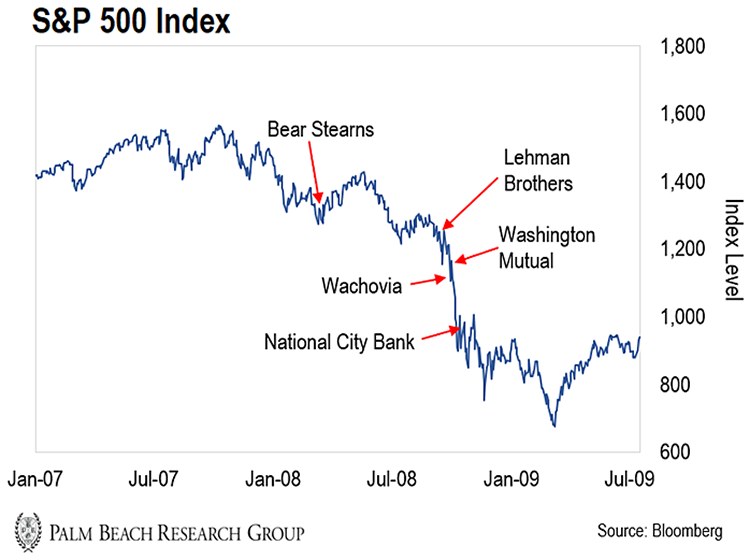
When the subprime loans unraveled, the market crashed again. The S&P 500 dropped from its all-time high of 1,565 in October 2007 to a low of 676 in March 2009.
The first domino to fall was global investment banking firm Bear Stearns.
In early 2007, it had a market cap of $20 billion, and its stock traded for $171 per share.
Less than a year later, the company narrowly avoided bankruptcy when JPMorgan swooped in and bought it for $10 per share on March 16.
Teeka Tiwari
The last time I felt like this was 14 years ago…
It was a devastating time in the financial markets. One blow after another had people wondering if we’d ever see the end and come through to the other side.
The memory of it will probably be fresh for many of you, too: the Great Financial Crisis of 2007–2009.
In October 2007, the S&P 500 had an epic 101% run from the 2000 dot-com bust lows. It hit new highs at the time.
But people got too greedy. They started taking risks without considering the consequences, until…
There was too much leverage in the system… And much of it involved bad assets like subprime loans.
For those who might not have been in the markets back then, subprime loans are loans made to riskier borrowers. They have a lower likelihood of being paid back. But they come with higher interest rates to compensate for the higher risk.
The problem was Wall Street started to treat these inherent risky assets as safe AAA rated assets. That miscalculation would inevitably lead to disaster.
When the subprime loans unraveled, the market crashed again. The S&P 500 dropped from its all-time high of 1,565 in October 2007 to a low of 676 in March 2009.
The first domino to fall was global investment banking firm Bear Stearns.
In early 2007, it had a market cap of $20 billion, and its stock traded for $171 per share.
Less than a year later, the company narrowly avoided bankruptcy when JPMorgan swooped in and bought it for $10 per share on March 16.
Just like that, a competitor had bought out the company for a 94% discount to its share price just a year prior. And the 85-year-old investment bank was no more.
At the time, I was running my own hedge fund. I remember saying to myself, “This isn’t over. Bear Stearns is a massive firm. There’s no way more dominoes won’t fall.”
And even though it didn’t look like it at first, that’s exactly what happened…
After its March 2008 lows, the market rallied 12% to 1,425 just two months later, recovering more than half its losses.
Investors who jumped in the market then probably were popping champagne and patting themselves on the back for their wizard-like market timing.
Then, just like that… the next domino fell.
In September 2008, we saw the granddaddy of all bankruptcies occur with Lehman Brothers.
The 158-year-old firm had a record $613 billion in debt when it filed for bankruptcy on September 15, 2008.
This would send markets to new lows. But the sell-off was far from over.
Next, we’d see financial giant Washington Mutual go under… Then Wachovia… Then National City Bank.
And after that, more market carnage ensued.
Take a look at the chart below. It shows the S&P 500 index during the financial crisis. As you can see, none of these firms going belly up marked the bottom.
At the time, I was running my own hedge fund. I remember saying to myself, “This isn’t over. Bear Stearns is a massive firm. There’s no way more dominoes won’t fall.”
And even though it didn’t look like it at first, that’s exactly what happened…
After its March 2008 lows, the market rallied 12% to 1,425 just two months later, recovering more than half its losses.
Investors who jumped in the market then probably were popping champagne and patting themselves on the back for their wizard-like market timing.
Then, just like that… the next domino fell.
In September 2008, we saw the granddaddy of all bankruptcies occur with Lehman Brothers.
The 158-year-old firm had a record $613 billion in debt when it filed for bankruptcy on September 15, 2008.
This would send markets to new lows. But the sell-off was far from over.
Next, we’d see financial giant Washington Mutual go under… Then Wachovia… Then National City Bank.
And after that, more market carnage ensued.
Take a look at the chart below. It shows the S&P 500 index during the financial crisis. As you can see, none of these firms going belly up marked the bottom.
Here’s why I’m telling you this: We’re seeing the same scenario play out today in crypto.
The first domino to fall in the current bear market was Terra (LUNA) and its stablecoin, UST. Since LUNA’s implosion in May, the crypto market cap has plunged 44%. And it’s down 66% from its all-time high in November 2021.
But the ripple effect has continued since then… And I expect more dominoes to fall before the current bout of selling is over.
Now, I don’t know if the next leg of this sell-off will be as violent as the first round.
In fact, we’ve seen the entire crypto market rally this week, crossing the $1 trillion mark for the first time in just over a month. Bitcoin and Ethereum are up 30% and 70%, respectively, from their recent lows.
This is certainly encouraging price action… but it’s still too early to say that the bear market is over.
Let me be clear: Nothing would please me more than being wrong about calling for more weakness ahead. I hope you get to mock my concerns as overly cautious hand wringing.
As a large investor in this space, I want to be wrong about more dominoes falling.
Does that mean we should sell everything and go to cash?
Absolutely not.
The first domino to fall in the current bear market was Terra (LUNA) and its stablecoin, UST. Since LUNA’s implosion in May, the crypto market cap has plunged 44%. And it’s down 66% from its all-time high in November 2021.
But the ripple effect has continued since then… And I expect more dominoes to fall before the current bout of selling is over.
Now, I don’t know if the next leg of this sell-off will be as violent as the first round.
In fact, we’ve seen the entire crypto market rally this week, crossing the $1 trillion mark for the first time in just over a month. Bitcoin and Ethereum are up 30% and 70%, respectively, from their recent lows.
This is certainly encouraging price action… but it’s still too early to say that the bear market is over.
Let me be clear: Nothing would please me more than being wrong about calling for more weakness ahead. I hope you get to mock my concerns as overly cautious hand wringing.
As a large investor in this space, I want to be wrong about more dominoes falling.
Does that mean we should sell everything and go to cash?
Absolutely not.
👍 1
We own great projects that will recover as the market recovers. And if I am wrong about further selling – and if we experience a miraculous V-shaped recovery – I want to make sure we participate in it.
One potential outcome that could spark a massive recovery is if the Federal Reserve were to suddenly reverse course and halt its tightening stance. All risk assets would gun higher on such an announcement.
I think the earliest we could see the Fed backing down from its current tightening stance would be over the September–October period. But the Fed being the Fed… it has a tendency to overshoot when loosening or tightening credit conditions.
Normally, Fed actions would not be a primary concern for crypto, but we’ve seen that a looser monetary policy acts like rocket fuel for crypto prices. I would be derelict in my duty to you if I was to ignore that reality.
The action I’m seeing now looks like an oversold bounce. That’s why you need to know what’s happening and how to mentally prepare yourself in case the current sell-off resumes.
Looking back to the similar trajectory of the financial crisis 14 years ago will help give us a playbook of what to expect.
One potential outcome that could spark a massive recovery is if the Federal Reserve were to suddenly reverse course and halt its tightening stance. All risk assets would gun higher on such an announcement.
I think the earliest we could see the Fed backing down from its current tightening stance would be over the September–October period. But the Fed being the Fed… it has a tendency to overshoot when loosening or tightening credit conditions.
Normally, Fed actions would not be a primary concern for crypto, but we’ve seen that a looser monetary policy acts like rocket fuel for crypto prices. I would be derelict in my duty to you if I was to ignore that reality.
The action I’m seeing now looks like an oversold bounce. That’s why you need to know what’s happening and how to mentally prepare yourself in case the current sell-off resumes.
Looking back to the similar trajectory of the financial crisis 14 years ago will help give us a playbook of what to expect.
Why We Need to Be Cautious
More than anything else, the Great Financial Crisis was really history’s biggest credit crisis.
The debt-to-income ratio for U.S. households doubled over the two decades leading up to the crisis. This was largely due to looser lending practices and cheaper borrowing costs.
But when lending markets tightened and markets reversed their course, the bubble burst. When the dust settled, over $30 trillion of the world’s wealth evaporated, according to Marketplace (American Public Media’s economics sector).
(By comparison, we’ve seen the crypto market cap fall from its all-time high of $3 trillion to roughly $900 billion today.)
More than anything else, the Great Financial Crisis was really history’s biggest credit crisis.
The debt-to-income ratio for U.S. households doubled over the two decades leading up to the crisis. This was largely due to looser lending practices and cheaper borrowing costs.
But when lending markets tightened and markets reversed their course, the bubble burst. When the dust settled, over $30 trillion of the world’s wealth evaporated, according to Marketplace (American Public Media’s economics sector).
(By comparison, we’ve seen the crypto market cap fall from its all-time high of $3 trillion to roughly $900 billion today.)
The problem with credit crises is that it’s hard to figure out who’s exposed to bad debt. It’s like a silent contagion spreading through the financial system.
Just yesterday, Thai crypto exchange Zipmex halted withdrawals, citing liquidity concerns tied to a $100 million loan to Babel Finance. On June 17, Babel, a crypto lender with a $3 billion loan book, announced it was halting all withdrawals.
So you can see it wasn’t until one month after Babel stopped withdrawals that Zipmex was forced to halt withdrawals due to its reported $100 million funding hole (based on its inability to get paid from Babel).
The lack of transparency means you have no idea which players are holding ticking time bombs. That is why I expect more of these types of announcements.
If you rush into the market thinking the worst is over, you may find yourself in a worse position than before you entered.
Yes, the markets are rallying right now…. and again, I hope this run continues and we put all this nastiness behind us.
But hope and wishful thinking is not a strategy I’m prepared to embrace with my own money or with yours.
Here’s some more historical perspective…
If you’d bought the S&P 500 when Bear Stearns went under in March 2008… you’d see your investment collapse another 47% over the following year.
Even if you waited until after Lehman Brothers’ collapse in September 2008, you’d still see your investment fall another 43% over the following six months.
But once the market expunged the contagion, the banking sector exploded to new highs.
If you bought the Financial Select Sector SPDR Fund (XLF) ETF during its 2009 lows, you would’ve netted a 10x return over the next 13 years.
Just yesterday, Thai crypto exchange Zipmex halted withdrawals, citing liquidity concerns tied to a $100 million loan to Babel Finance. On June 17, Babel, a crypto lender with a $3 billion loan book, announced it was halting all withdrawals.
So you can see it wasn’t until one month after Babel stopped withdrawals that Zipmex was forced to halt withdrawals due to its reported $100 million funding hole (based on its inability to get paid from Babel).
The lack of transparency means you have no idea which players are holding ticking time bombs. That is why I expect more of these types of announcements.
If you rush into the market thinking the worst is over, you may find yourself in a worse position than before you entered.
Yes, the markets are rallying right now…. and again, I hope this run continues and we put all this nastiness behind us.
But hope and wishful thinking is not a strategy I’m prepared to embrace with my own money or with yours.
Here’s some more historical perspective…
If you’d bought the S&P 500 when Bear Stearns went under in March 2008… you’d see your investment collapse another 47% over the following year.
Even if you waited until after Lehman Brothers’ collapse in September 2008, you’d still see your investment fall another 43% over the following six months.
But once the market expunged the contagion, the banking sector exploded to new highs.
If you bought the Financial Select Sector SPDR Fund (XLF) ETF during its 2009 lows, you would’ve netted a 10x return over the next 13 years.
Of course, no one can time the exact bottom. But had you been patient in 2009, you would’ve spared yourself the continued move lower.
The same thing is happening today in crypto. And it’s why I’m being patient before we dive headfirst back into the market.
(upraveno)
The same thing is happening today in crypto. And it’s why I’m being patient before we dive headfirst back into the market.
👍 1
Bugsy
21.07.2022 21:15
👉 👉 👉
The Next Dominoes to Fall
We’ve already seen crypto firms like Celsius and Voyager Digital go belly up.
Just like Bear Stearns and Lehman Brothers during the financial crisis, their demise will have
a domino effect on other crypto firms exposed to their toxic assets.
One area of concern is the stability of Tether (USDT), the largest stablecoin. It
accounts for roughly half of all stablecoins in existence.
When Tether was small, I never worried too much about its impact on the overall crypto
market.
But with $66 billion worth of USDT in circulation today, Tether is one-sixth the size of bitcoin
and one-third the size of Ethereum. That’s down 20% from its all-time-high of $83 billion at
the start of May this year.
The drop comes after LUNA and UST’s implosion in May. UST’s crash led many investors to
reevaluate the strength of all stablecoins. And hedge funds ramped up their bets against
USDT.
I’ve never been a fan of Tether (I talked about it last July) because it never proved it had the
1:1 peg it claims to. That is, $1 in cash for every USDT in circulation. Instead, other assets
(including secured loans, corporate bonds, and digital assets) also back USDT.
Not only do these assets come with greater risk than simply holding cash in a bank account…
But if investors rushed to redeem their USDT for U.S. dollars tomorrow, we’d see liquidity
issues.
And if Tether’s peg to the U.S. dollar slips significantly, it would mean more pressure on the
crypto markets. That’s because there are billions of dollars parked in USDT that rely on its
stability.
Now, I’m not saying that USDT will completely collapse. And they have done a very good job
processing approximately $16 billion in redemptions. But it’s something we’re monitoring
closely.
If Tether were to fail, we’d see a March 2009-like collapse. Of course, it’d be the mother of all
buying opportunities. That’s why I’d rather wait for that collapse – or at least be sure no
collapse of that magnitude would be incoming.
We’ve already seen crypto firms like Celsius and Voyager Digital go belly up.
Just like Bear Stearns and Lehman Brothers during the financial crisis, their demise will have
a domino effect on other crypto firms exposed to their toxic assets.
One area of concern is the stability of Tether (USDT), the largest stablecoin. It
accounts for roughly half of all stablecoins in existence.
When Tether was small, I never worried too much about its impact on the overall crypto
market.
But with $66 billion worth of USDT in circulation today, Tether is one-sixth the size of bitcoin
and one-third the size of Ethereum. That’s down 20% from its all-time-high of $83 billion at
the start of May this year.
The drop comes after LUNA and UST’s implosion in May. UST’s crash led many investors to
reevaluate the strength of all stablecoins. And hedge funds ramped up their bets against
USDT.
I’ve never been a fan of Tether (I talked about it last July) because it never proved it had the
1:1 peg it claims to. That is, $1 in cash for every USDT in circulation. Instead, other assets
(including secured loans, corporate bonds, and digital assets) also back USDT.
Not only do these assets come with greater risk than simply holding cash in a bank account…
But if investors rushed to redeem their USDT for U.S. dollars tomorrow, we’d see liquidity
issues.
And if Tether’s peg to the U.S. dollar slips significantly, it would mean more pressure on the
crypto markets. That’s because there are billions of dollars parked in USDT that rely on its
stability.
Now, I’m not saying that USDT will completely collapse. And they have done a very good job
processing approximately $16 billion in redemptions. But it’s something we’re monitoring
closely.
If Tether were to fail, we’d see a March 2009-like collapse. Of course, it’d be the mother of all
buying opportunities. That’s why I’d rather wait for that collapse – or at least be sure no
collapse of that magnitude would be incoming.
👉 👉 👉
Another reason I’m cautious right now is bitcoin miners.
As you know, miners secure the network by validating transactions in return for BTC.
Over the past year, we’ve seen miners tap into the debt and equity markets to fund
operations. And as our Final Halving thesis predicted, that allowed them to hoard their
tokens as the price of bitcoin surged higher.
But that’s changing since BTC’s price took a hit…
Roughly $4 billion in bitcoin miner loans are coming under stress as profit margins shrink.
And that’s created a cycle of reduced funding. Financial institutions are pulling back their
appetite for risk and drying up funding for bitcoin miners.
This means these miners must sell a larger amount of their BTC hoard to cover day-to-day
expenses.
Today, bitcoin miners hold roughly 1.82 million in BTC, valued at roughly $39 billion. If
market conditions deteriorate, we could see more forced selling from the miners.
Not because they want to sell their bitcoin… But because they must.
As I’ve said, it’s like if you were snowed in with no firewood or fuel. The only thing left to burn
is a priceless antique chair given to you by your late grandmother.
Your only choices are to burn the chair for warmth… or freeze to death.
Neither option is desirable. If you burn the chair, you lose something of great value to you.
But you survive to fight another day.
This scenario illustrates what many bitcoin miners and hedge funds are going through right
now.
As you know, miners secure the network by validating transactions in return for BTC.
Over the past year, we’ve seen miners tap into the debt and equity markets to fund
operations. And as our Final Halving thesis predicted, that allowed them to hoard their
tokens as the price of bitcoin surged higher.
But that’s changing since BTC’s price took a hit…
Roughly $4 billion in bitcoin miner loans are coming under stress as profit margins shrink.
And that’s created a cycle of reduced funding. Financial institutions are pulling back their
appetite for risk and drying up funding for bitcoin miners.
This means these miners must sell a larger amount of their BTC hoard to cover day-to-day
expenses.
Today, bitcoin miners hold roughly 1.82 million in BTC, valued at roughly $39 billion. If
market conditions deteriorate, we could see more forced selling from the miners.
Not because they want to sell their bitcoin… But because they must.
As I’ve said, it’s like if you were snowed in with no firewood or fuel. The only thing left to burn
is a priceless antique chair given to you by your late grandmother.
Your only choices are to burn the chair for warmth… or freeze to death.
Neither option is desirable. If you burn the chair, you lose something of great value to you.
But you survive to fight another day.
This scenario illustrates what many bitcoin miners and hedge funds are going through right
now.
If their financial conditions worsen, we’ll likely see them sell their assets to survive. And the
assets they’ll be forced to sell are BTC and ETH.
Eventually, the stronger miners will emerge from this crisis in better shape than they were
going in. And as bitcoin recovers, they’ll begin to hoard their BTC again.
My timing was wrong on the bitcoin Final Halving thesis – just like it was off in 2018 when I
predicted BTC would hit $40,000 per token two years before it actually happened.
Bitcoin eventually soared to nearly $70,000 last year before its current pullback. I expect
bitcoin to reach $500,000 over the coming years. And as it climbs back to new highs, we’ll see
miners resume holding BTC on their balance sheets.
In the short term, fear that bitcoin miners will be forced to sell more of their BTC could act as
another headwind against a speedy recovery in crypto.
assets they’ll be forced to sell are BTC and ETH.
Eventually, the stronger miners will emerge from this crisis in better shape than they were
going in. And as bitcoin recovers, they’ll begin to hoard their BTC again.
My timing was wrong on the bitcoin Final Halving thesis – just like it was off in 2018 when I
predicted BTC would hit $40,000 per token two years before it actually happened.
Bitcoin eventually soared to nearly $70,000 last year before its current pullback. I expect
bitcoin to reach $500,000 over the coming years. And as it climbs back to new highs, we’ll see
miners resume holding BTC on their balance sheets.
In the short term, fear that bitcoin miners will be forced to sell more of their BTC could act as
another headwind against a speedy recovery in crypto.
Bugsy
21.07.2022 21:25
👉 👉 👉
The next hurdle we may see is increased regulation.
The implosion of UST and the meltdown of centralized lending platforms like Celsius and
Voyager Digital have damaged the industry in more ways than one.
Many investors experienced losses due to the reckless actions of a few individuals. And new
investors in crypto may sit on the sidelines until there’s more regulation.
Ultimately, more regulation is needed if we want to see billions of people on-boarded in the
future. It’ll benefit the industry by increasing transparency and mitigating risk.
As long as the regulation doesn’t stifle innovation in the industry, we welcome oversight that
protects investors from fraud and deception. The root cause behind the sell-off has nothing to do with blockchain technology, bitcoin, or
Ethereum. This is a credit crisis… Not a bitcoin or Ethereum crisis.
The problem stems from overleveraged positions and extended risk-taking by centralized
finance (CeFi) platforms.
CeFi firms use decentralized finance (DeFi) protocols built on blockchain technology to make
banking, borrowing, lending, and investing more accessible and cheaper for millions of
people.
The implosion of UST and the meltdown of centralized lending platforms like Celsius and
Voyager Digital have damaged the industry in more ways than one.
Many investors experienced losses due to the reckless actions of a few individuals. And new
investors in crypto may sit on the sidelines until there’s more regulation.
Ultimately, more regulation is needed if we want to see billions of people on-boarded in the
future. It’ll benefit the industry by increasing transparency and mitigating risk.
As long as the regulation doesn’t stifle innovation in the industry, we welcome oversight that
protects investors from fraud and deception. The root cause behind the sell-off has nothing to do with blockchain technology, bitcoin, or
Ethereum. This is a credit crisis… Not a bitcoin or Ethereum crisis.
The problem stems from overleveraged positions and extended risk-taking by centralized
finance (CeFi) platforms.
CeFi firms use decentralized finance (DeFi) protocols built on blockchain technology to make
banking, borrowing, lending, and investing more accessible and cheaper for millions of
people.
In the coming years, DeFi apps will allow users to trade billions of dollars in assets without
human intervention. Many of these DeFi protocols have continued to work flawlessly.
The problem is not with the protocols…
The problem is the number of speculative, leveraged bets that hedge funds made using
borrowed money from CeFi firms like BlockFi, Celsius, Voyager, and others.
The DeFi space works by taking in collateral and issuing loans against that collateral for
borrowers. CeFi firms like Celsius took deposits from the public and lent it to hedge funds to
generate yields.
As it turned out, many of these hedge funds were taking on an absurd amount of risk… Far
more than anyone anticipated, including myself.
This, more than anything, is what has derailed my Final Halving thesis.
My mistake was in believing the space had matured to the point where major market
participants would not jeopardize their vast bitcoin holdings by levering them up so much.
When their bets went awry, they couldn’t repay their loans – leaving massive holes in the
balance sheet of the CeFi lending platforms.
And as the debts began to sour, it sent a cascade of margin calls throughout the space.ation that’s here to
stay. And that’s why we’re still invested in this area of the crypto markets.
human intervention. Many of these DeFi protocols have continued to work flawlessly.
The problem is not with the protocols…
The problem is the number of speculative, leveraged bets that hedge funds made using
borrowed money from CeFi firms like BlockFi, Celsius, Voyager, and others.
The DeFi space works by taking in collateral and issuing loans against that collateral for
borrowers. CeFi firms like Celsius took deposits from the public and lent it to hedge funds to
generate yields.
As it turned out, many of these hedge funds were taking on an absurd amount of risk… Far
more than anyone anticipated, including myself.
This, more than anything, is what has derailed my Final Halving thesis.
My mistake was in believing the space had matured to the point where major market
participants would not jeopardize their vast bitcoin holdings by levering them up so much.
When their bets went awry, they couldn’t repay their loans – leaving massive holes in the
balance sheet of the CeFi lending platforms.
And as the debts began to sour, it sent a cascade of margin calls throughout the space.ation that’s here to
stay. And that’s why we’re still invested in this area of the crypto markets.
Every major lender began recalling loans since no one knew who was exposed.
BlockFi has since received a $400 million line of credit from FTX, which allowed it to keep its
doors open. And now, depositors can withdraw their assets if they wish.
But Voyager and Celsius were less fortunate. Both companies suspended withdrawals and
have filed for bankruptcy.
It’s still unknown how much of a haircut depositors will take on the assets they lent to these
platforms.
The silver lining of this shakeout is it highlighted the differences between CeFi and DeFi.
Centralized platforms like BlockFi and Celsius are private companies. They’re opaque. We
have no way of knowing how much leverage they are using.
DeFi protocols are open and transparent. You can see exactly what’s happening under the
hood at all times.
The major DeFi lending platforms we hold in the portfolio – MakerDAO (MKR), Aave
(AAVE), and Compound (COMP) – continue to function exactly as intended. They continue to
operate without the liquidity and credit issues we’re seeing on centralized platforms.
Of course, the prices of their underlying tokens have suffered along with the overall market –
but we expect them to recover with the overall market… Especially as investors look for more
transparent lending platforms.
Despite the recent setbacks, DeFi has proved it’s a much-needed innov
BlockFi has since received a $400 million line of credit from FTX, which allowed it to keep its
doors open. And now, depositors can withdraw their assets if they wish.
But Voyager and Celsius were less fortunate. Both companies suspended withdrawals and
have filed for bankruptcy.
It’s still unknown how much of a haircut depositors will take on the assets they lent to these
platforms.
The silver lining of this shakeout is it highlighted the differences between CeFi and DeFi.
Centralized platforms like BlockFi and Celsius are private companies. They’re opaque. We
have no way of knowing how much leverage they are using.
DeFi protocols are open and transparent. You can see exactly what’s happening under the
hood at all times.
The major DeFi lending platforms we hold in the portfolio – MakerDAO (MKR), Aave
(AAVE), and Compound (COMP) – continue to function exactly as intended. They continue to
operate without the liquidity and credit issues we’re seeing on centralized platforms.
Of course, the prices of their underlying tokens have suffered along with the overall market –
but we expect them to recover with the overall market… Especially as investors look for more
transparent lending platforms.
Despite the recent setbacks, DeFi has proved it’s a much-needed innov
👉 👉 👉
Crypto Is Here to Stay
Despite the recent pullback, we’re still seeing tremendous growth and innovation in crypto.
During the first quarter of 2022, venture funds raised a record $9.9 billion for crypto-related
projects. And in the most recent quarter, they raised $6.8 billion.
Two of the recent fundraising rounds include big names like Andreessen Horowitz (A16z) and
Multicoin Capital.
Two months ago, A16z raised $4.5 billion in its fourth funding round. It’ll use these funds for
blockchain and Web3 projects. A16z has now raised more than $7.6 billion.
Just last week, Multicoin Capital raised $430 million. It’ll use the funds to grow decentralized
autonomous organizations (DAOs) and develop Web3 projects.
And despite the meltdown we’ve witnessed in CeFi, DeFi remains strong.
Today, over $70 billion in assets are exchanged, borrowed, and lent directly on DeFi protocols
that operate without any centralized middlemen. That’s incredible growth considering DeFi
was virtually nonexistent in 2017.
Plus, we’re seeing tremendous, innovative uses for blockchain technology.
For example:
Despite the recent pullback, we’re still seeing tremendous growth and innovation in crypto.
During the first quarter of 2022, venture funds raised a record $9.9 billion for crypto-related
projects. And in the most recent quarter, they raised $6.8 billion.
Two of the recent fundraising rounds include big names like Andreessen Horowitz (A16z) and
Multicoin Capital.
Two months ago, A16z raised $4.5 billion in its fourth funding round. It’ll use these funds for
blockchain and Web3 projects. A16z has now raised more than $7.6 billion.
Just last week, Multicoin Capital raised $430 million. It’ll use the funds to grow decentralized
autonomous organizations (DAOs) and develop Web3 projects.
And despite the meltdown we’ve witnessed in CeFi, DeFi remains strong.
Today, over $70 billion in assets are exchanged, borrowed, and lent directly on DeFi protocols
that operate without any centralized middlemen. That’s incredible growth considering DeFi
was virtually nonexistent in 2017.
Plus, we’re seeing tremendous, innovative uses for blockchain technology.
For example:
An infrastructure firm in South Africa is building a new water delivery infrastructure
system. It’ll use blockchain tech to improve the funding process. This will get water to
those who need it faster.
Hotels are using non-fungible tokens (NFTs) to create a “StubHub,” or secondary market,
for lodging reservations. If you can’t make it to your trip, you can resell your reservation
to another person. It’s like reselling tickets to sports events or concerts.
And last year, we saw the TV show Stoner Cats sell NFTs to raise funds. It featured A-list
actors like Ashton Kutcher and Jane Fonda. This will open the door to being able to own a
stake in your favorite TV shows down the road.
As we’ve written before, NFTs allow you to own a unique digital asset on the blockchain that
only you control.
Nearly every big name brand is scrambling to get involved in one way or another…
From food and beverage heavyweights like Coca-Cola and McDonald’s to fashion companies
like Nike and Gucci… They’re all making strides in the NFT space.
Through the first half of 2022, over $17 billion in NFTs have traded hands on exchanges.
That’s over 27 times the $637 million that traded hands in the first half of 2021.
And this is just the beginning.
As you know, I believe nearly every asset class in the future will be tokenized. And the unique
items will be tokenized as NFTs… From in-game assets to apartment buildings that generate
income and even big-ticket collectibles like classic cars.
It’s a massive opportunity we believe will turn into a trillion-dollar market.
Even if only 0.5% of the $280 trillion real estate market is tokenized, that would be a $1.4
trillion industry in itself.
Bottom line: Blockchain technology is here to stay. And it will only get stronger as
developers continue to build innovative products that attract billions of users.
system. It’ll use blockchain tech to improve the funding process. This will get water to
those who need it faster.
Hotels are using non-fungible tokens (NFTs) to create a “StubHub,” or secondary market,
for lodging reservations. If you can’t make it to your trip, you can resell your reservation
to another person. It’s like reselling tickets to sports events or concerts.
And last year, we saw the TV show Stoner Cats sell NFTs to raise funds. It featured A-list
actors like Ashton Kutcher and Jane Fonda. This will open the door to being able to own a
stake in your favorite TV shows down the road.
As we’ve written before, NFTs allow you to own a unique digital asset on the blockchain that
only you control.
Nearly every big name brand is scrambling to get involved in one way or another…
From food and beverage heavyweights like Coca-Cola and McDonald’s to fashion companies
like Nike and Gucci… They’re all making strides in the NFT space.
Through the first half of 2022, over $17 billion in NFTs have traded hands on exchanges.
That’s over 27 times the $637 million that traded hands in the first half of 2021.
And this is just the beginning.
As you know, I believe nearly every asset class in the future will be tokenized. And the unique
items will be tokenized as NFTs… From in-game assets to apartment buildings that generate
income and even big-ticket collectibles like classic cars.
It’s a massive opportunity we believe will turn into a trillion-dollar market.
Even if only 0.5% of the $280 trillion real estate market is tokenized, that would be a $1.4
trillion industry in itself.
Bottom line: Blockchain technology is here to stay. And it will only get stronger as
developers continue to build innovative products that attract billions of users.
👉 👉 👉
If you missed out on the crypto bull runs of 2013, 2017, and 2021… I want you to view this
current pullback as an “in-game” reset.
Just think about this…
The crypto market cap hit an all-time high of $3 trillion in November 2021. Right now, it’s
around $1 trillion. If it just rallies back to its previous high, that’s a 233% increase from today.
Eventually, I believe just bitcoin alone will rival gold’s total market value of $11 trillion. That’s
a 2,400% increase from today’s levels.
I don’t believe any other asset class in the world offers that kind of upside potential.
That’s why I call this pullback an “in-game” reset.
It’s a chance to add quality projects to your portfolio at steep discounts… And to deploy
additional capital to existing projects that have seen their values drop during this crash.
current pullback as an “in-game” reset.
Just think about this…
The crypto market cap hit an all-time high of $3 trillion in November 2021. Right now, it’s
around $1 trillion. If it just rallies back to its previous high, that’s a 233% increase from today.
Eventually, I believe just bitcoin alone will rival gold’s total market value of $11 trillion. That’s
a 2,400% increase from today’s levels.
I don’t believe any other asset class in the world offers that kind of upside potential.
That’s why I call this pullback an “in-game” reset.
It’s a chance to add quality projects to your portfolio at steep discounts… And to deploy
additional capital to existing projects that have seen their values drop during this crash.
👍🏻 2
👉 This is not the time for FOMO. Be patient and let prices come to you.
👌 1
👍 2